Brand Spotlight
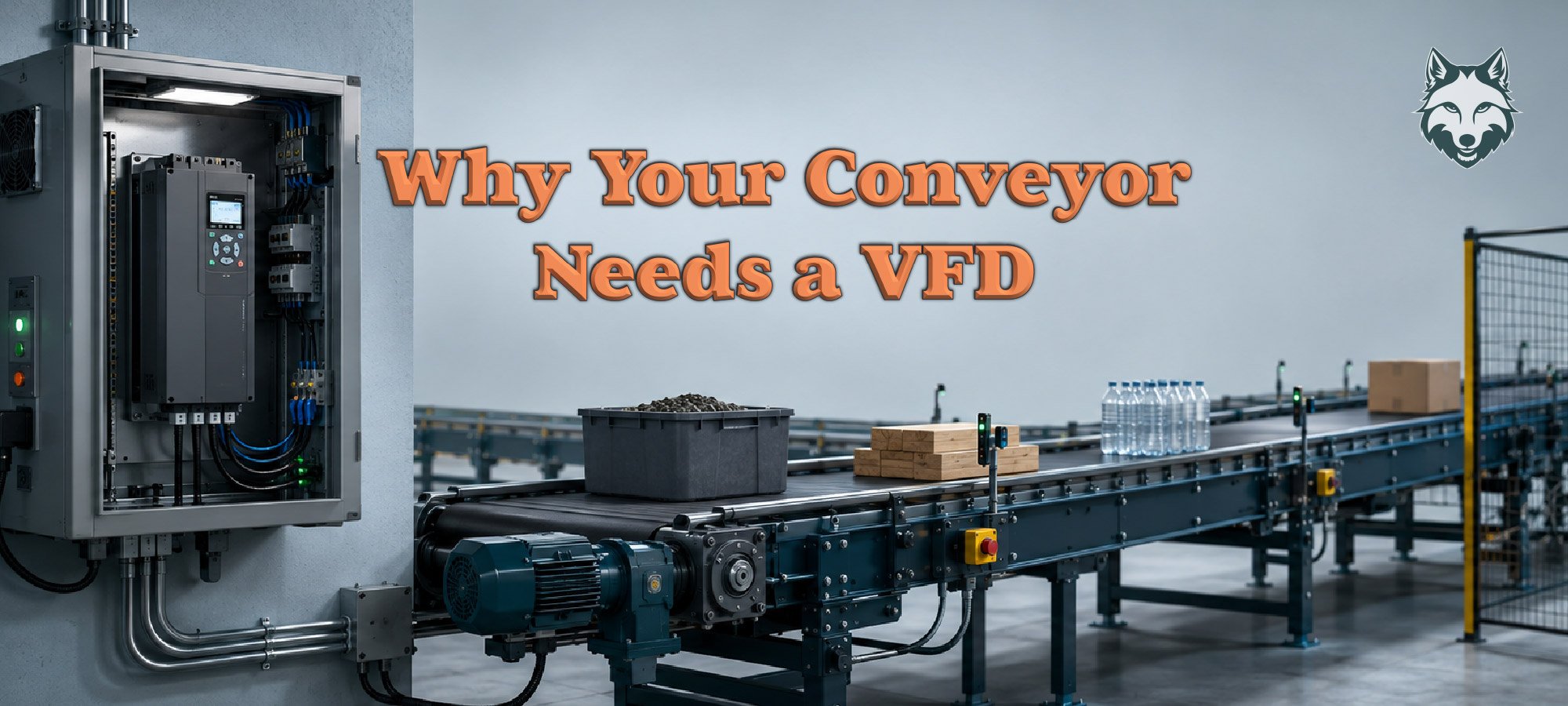

Conveyor systems are the arteries of modern industry. From construction sites to woodworking shops, chemical plants, shipping hubs, and food & beverage production lines, conveyors keep raw materials and finished products flowing efficiently day in and day out. Without them, everyday supply chains would grind to a halt. But behind every reliable conveyor is a critical component: the Variable Frequency Drive (VFD).
A VFD must continuously match the demanding requirements of moving everything from lightweight packages and bottles to heavy loads like rocks or ore. Choosing the right VFD isn’t just a technical detail, it’s the difference between smooth, uninterrupted production and costly downtime.
Why Conveyors Are the Lifeline of Operations
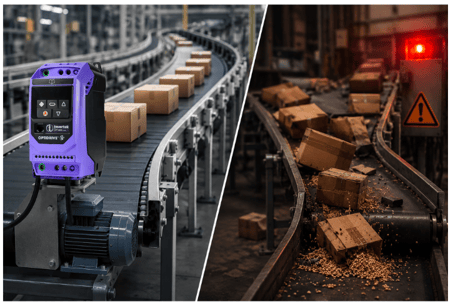
Conveyors ensure materials and products are in the right place at the right time. Miss that timing, and you’re facing jams, spills, blockages, or material falling off the belt, all of which halt production and create safety hazards. In high-volume operations, even minor disruptions compound quickly into major losses.
Modern automated lines add another layer of complexity. Operators can switch between product types with minimal mechanical adjustment, but this flexibility only works when the drive system underneath is properly sized, correctly specified for the environment (dusty, wet, hot, or hazardous), and well-maintained. An overheating VFD, a clogged cooling vent, or a drive that wasn’t set up for the actual load it’s running becomes a downtime event waiting to happen.
How VFDs Benefit Conveyor Systems
VFDs bring a lot more than basic on/off control to conveyor applications. Here are the key advantages they deliver:
In short, the right VFD doesn’t just power the conveyor, it optimizes it.
Choosing and Maintaining the Right VFD
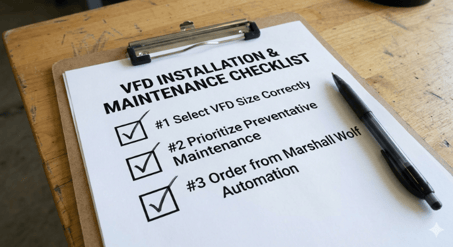
The solution to most conveyor issues is straightforward but requires foresight. Select and size the right VFD by matching its power rating, enclosure type (NEMA ratings), and features to the motor, load, and environment. Next, prioritize preventive maintenance by regularly cleaning vents, monitoring temperature, checking connections, and reviewing fault logs. Finally, work with suppliers who understand your industry’s specific requirements, such as washdown or explosion-proof needs.
In an era of increasing automation and efficiency demands, VFDs are essential partners for conveyor systems across mining, manufacturing, logistics, and beyond. They deliver energy savings, operational flexibility, longer equipment life, and peace of mind. The best operators don’t wait for the line to stop and tell them something’s wrong, they choose the right drive upfront and stay ahead of maintenance.
If you’re designing, upgrading, or maintaining a conveyor system, investing time in the right VFD selection and care will pay dividends in uptime, cost savings, and smoother operations for years to come.
Have questions about VFD sizing for your specific conveyor application or want recommendations for common industries? Let us know, we'll be happy to dive deeper!