Brand Spotlight


When some people hear the word sensor, high-tech temperature measuring in a lab or monitoring critical a critical factory process may come to mind.
Yes, industrial sensors absolutely do those things, but they also monitor some unusual things too. From floating foam to a runaway product on a conveyor, automation components end up detecting more than most people would ever imagine.
Here are a few things sensors keep an eye on every day.
Foam (Yes, Foam)
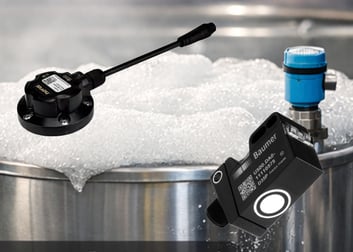
Foam might look harmless sitting on top of a tank, but in food processing, chemical production, and wastewater treatment it can quickly become a problem.
Excess foam can cause tanks to overflow, create inaccurate level readings, interfere with mixing equipment, and even disrupt pumps or downstream processes. Because of this, facilities rely on ultrasonic or level sensors to detect foam buildup before it becomes an issue. When foam rises too high, the automation system can respond automatically by adjusting pumps, slowing mixers, or activating antifoam dosing systems.
It may not be the most glamorous job in automation, but someone—or something—has to keep the bubbles under control.
Products That Wander Off the Conveyor
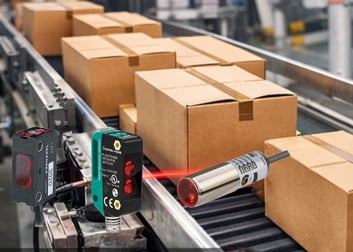
Production lines move quickly, and when products are traveling along conveyors at high speeds, even small misalignments can create problems.
Packages sometimes tip, containers can shift out of position, and occasionally products leave the conveyor altogether. To prevent these situations from turning into major production interruptions, photoelectric sensors and vision systems constantly monitor the line.
These sensors detect when products are missing, identify containers that are out of position, recognize when products begin backing up, and alert operators when a conveyor jam is forming. By catching these issues early, automation systems can stop a line or notify operators before a small hiccup becomes a costly shutdown.
People (Yep, Sensors Detect People Too)
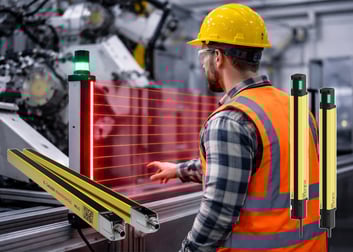
In many facilities, sensors are responsible for detecting something much more important than products: people.
Safety light curtains, proximity sensors, and area scanners are commonly used to monitor spaces where machines operate. If a person enters a restricted area or crosses a safety boundary, the system can immediately stop equipment or trigger an alarm.
These sensors help protect operators working near automated systems, robotic equipment, or high-speed machinery. While they’re designed for safety, it’s still interesting to think that in some environments, the most important thing a sensor detects isn’t a part or a product—it’s a person.
Clear Material
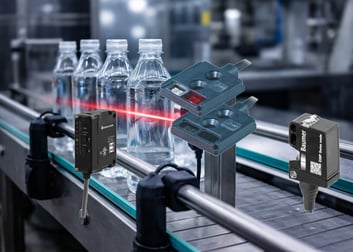
Glass and plastic might seem easy to detect, but in many cases it’s actually one of the trickier materials for sensors.
Transparent materials can sometimes allow light to pass through them, making them difficult for traditional sensors to detect. However, clear containers, panels, and components are pretty common in industries like beverage production, pharmaceuticals, and manufacturing.
To solve this challenge, facilities use sensors specifically designed to detect clear objects. These sensors can reliably identify glass bottles or containers as they move along conveyors, ensuring proper spacing, accurate filling, and safe handling throughout the production process.
Clear materials introduce another unique challenge for industrial sensors.
Industrial sensors rarely get the spotlight, but they’re constantly working behind the scenes detecting things most people never think about.
Foam. Conveyor jams. Plastic packaging. Glass bottles. Cars in a wash tunnel. Even people working safely around equipment.
These may not be the examples that show up in engineering textbooks, but they represent the real-world challenges automation solves every day.
How do you use your sensors?