
In food manufacturing, cleanliness and a running production line are non-negotiable—but sometimes the very practices that keep products safe are quietly damaging the automation equipment that keeps the line running.
Some manufacturing plants don’t realize how common day-to-day habits can shorten the life of critical automation components. The combination of water, chemicals, vibration, and heat creates a perfect storm that quietly erodes automation systems long before anyone notices.
 #1 Beware of Sensitive Components
Over-washing is one of the quickest ways to accidentally “clean” automation equipment right into an early grave. High-pressure washdowns, bad nozzle angles, and direct hits on sensors, connectors, and panels can push water where it definitely doesn’t belong. The fix? Use washdown-rated gear like IP69K products, aim the hose like a pro, and match your equipment to the environment—because not everything on the line wants a power shower.
#2 That IP Rating Might Not Be What You Think It Is
Just because something is labeled “washdown rated” doesn’t mean it’s invincible. IP ratings are often misunderstood, cables are only as strong as their entry points, and even the best gaskets don’t stay young forever. Over time, seals dry out, cracks form, and water finds its way in—because in a food plant, moisture is patient and very determined.
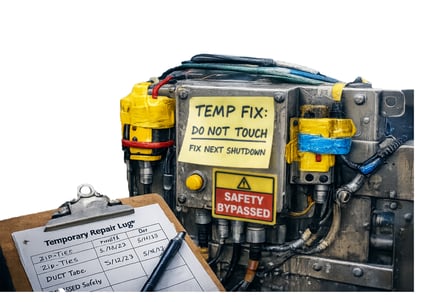 #3 Temporary Fixes That Become Permanent
Temporary fixes have a funny way of turning into long-term “solutions.” Zip ties replace brackets, tape becomes structural support, and “we’ll fix it next shutdown” quietly turns into next year. Even worse, safeties get put on the backburner just to keep things moving. The real fix is simple: document every temporary repair, assign a deadline, and hold it accountable—because nothing lasts longer than a shortcut that no one wrote down.
#4 The Unknown Vibration
Vibration is one of those problems that whispers before it screams—and too often, it gets ignored until something finally fails. Loose mounts, drifting sensors, and mysterious intermittent faults are usually early warning signs that equipment is slowly shaking itself apart. Using vibration resistant components and building periodic vibration checks would be a great idea to incorporate into your maintenance routine. Catch it early, and you save equipment, downtime, and a whole lot of headaches.
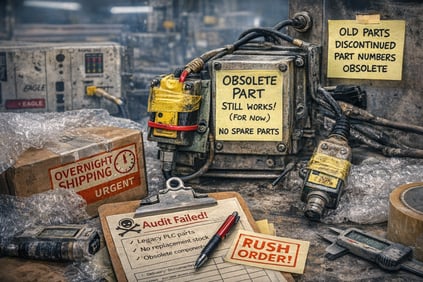
#5 Hanging on on Those Trusty Old Parts
Running obsolete parts because “they still work” is like driving on bald tires because they haven’t blown out yet—eventually, they will. Obsolete components lead to audit failures, longer downtime, and panic-fueled overnight shipping when something finally quits. The fix is proactive lifecycle planning: know what’s aging out, identify approved alternatives, and plan upgrades before failure forces your hand. When your products approach end-of-life, check out our blog for those announcements.
If any of this sounds familiar